Permit to work
No work starts without the permit in hand. Crews are briefed on the permit conditions, the isolation boundary and the gas test result before entering the work area.

Safety on a live plant is a sequence of checks that either happened or did not. Here is the sequence we run.
None of these are unusual. What matters is that they happen every shift, on every work front, including the ones running late.
No work starts without the permit in hand. Crews are briefed on the permit conditions, the isolation boundary and the gas test result before entering the work area.
Each activity carries a written RA and method statement reviewed with the client before mobilisation, and revisited when the scope or the surrounding work changes.
Held at the start of every shift, covering the day’s tasks, the hazards specific to that work front, and any change since the previous briefing.
Electrical isolation applied, locked and tagged by the person doing the work, with proving dead at the point of work before it is touched.
Controlled under separate permits with fire watch, continuous gas monitoring, standby attendance and a rescue plan agreed before entry.
Full body harness with double lanyard, inspected access equipment, and anchor points confirmed before work begins above two metres.

Not just the supervisor. If the permit no longer describes the work, the isolation cannot be proven, or a gas reading moves, the work stops and the client is told.
This is written into how our crews are briefed rather than left as an unspoken expectation, because the moment it matters is exactly the moment when speaking up feels expensive. A crew that believes stopping will be held against them will not stop.
We work to the plant owner's permit-to-work system and WSH requirements throughout, and we expect our people to be held to the client's standard on site as if it were ours.
Quality on an E&I package is measured at commissioning, when someone tries to use what you installed. By then it is either right or expensive.
Hold points and witness points agreed with the client up front, so inspection happens on schedule instead of becoming a delay at the end of the job.
Reference instruments calibrated against national measurement standards, with the certificates kept current and on hand whenever you want to see them.
Loop folders, test certificates, cable schedules and marked-up as-builts issued as a complete set. Nothing is signed as done on the word of the crew alone.
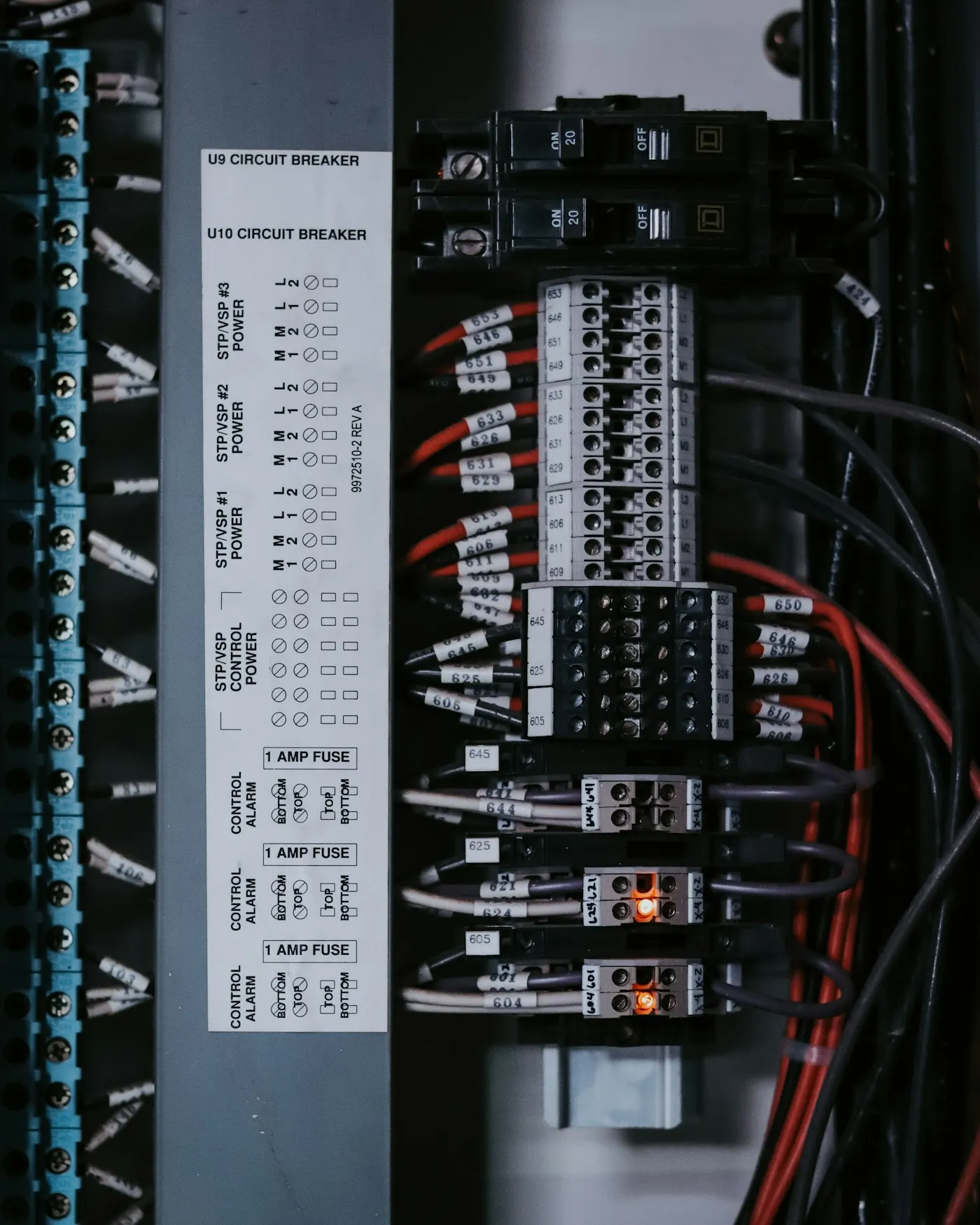
Just ask and we will send across whatever you need for your records.
Risk assessments, method statements, insurance and certification records — tell us what you need and we will send it over.